Water Damage Restoration 101: Comprehending the Process and Price
Water damage can strike all of a sudden, leaving property owners in a state of confusion. Comprehending the repair procedure is necessary for efficient healing. From examining the damage to picking the ideal company, each action affects the general outcome and cost. Variables such as the type of water damage and urgency additionally play a considerable role. What are the particular methods made use of in reconstruction, and how can one prepare for prospective costs?
Types of Water Damage
Water damage can emerge from numerous resources, each presenting one-of-a-kind obstacles for reconstruction. The 3 main kinds of water damage are classified based on contamination degrees: tidy water, gray water, and black water. Clean water originates from sources like damaged pipes or rain, posing marginal wellness dangers. Gray water, which includes wastewater from sinks or cleaning makers, consists of impurities that might cause discomfort or ailment if ingested. Black water, the most harmful category, comes from sewage or floodwaters, having damaging bacteria and virus. Each type requires particular reconstruction methods and safety actions to successfully reduce and address the damage wellness dangers. Recognizing these distinctions is crucial for specialists and home owners associated with the water damage restoration process.
Initial Assessment and Examination
A detailed preliminary analysis and evaluation are crucial action in the water damage remediation process. This phase begins with an expert examining the level of the damage, determining the source of the water invasion, and identifying the kind of water involved - Water Damage Restoration. Service technicians use specialized devices to determine wetness levels in different products, such as wall surfaces, floors, and furniture. In addition, they analyze structural stability and possible wellness threats, consisting of mold and mildew growth. The searchings for from this examination notify the remediation strategy, directing essential actions and source appropriation. Precise documentation of the damage is important for insurance cases and future reference. Overall, this first assessment prepares for effective remediation, ensuring a comprehensive feedback to the particular situation handy
Water Extraction Techniques
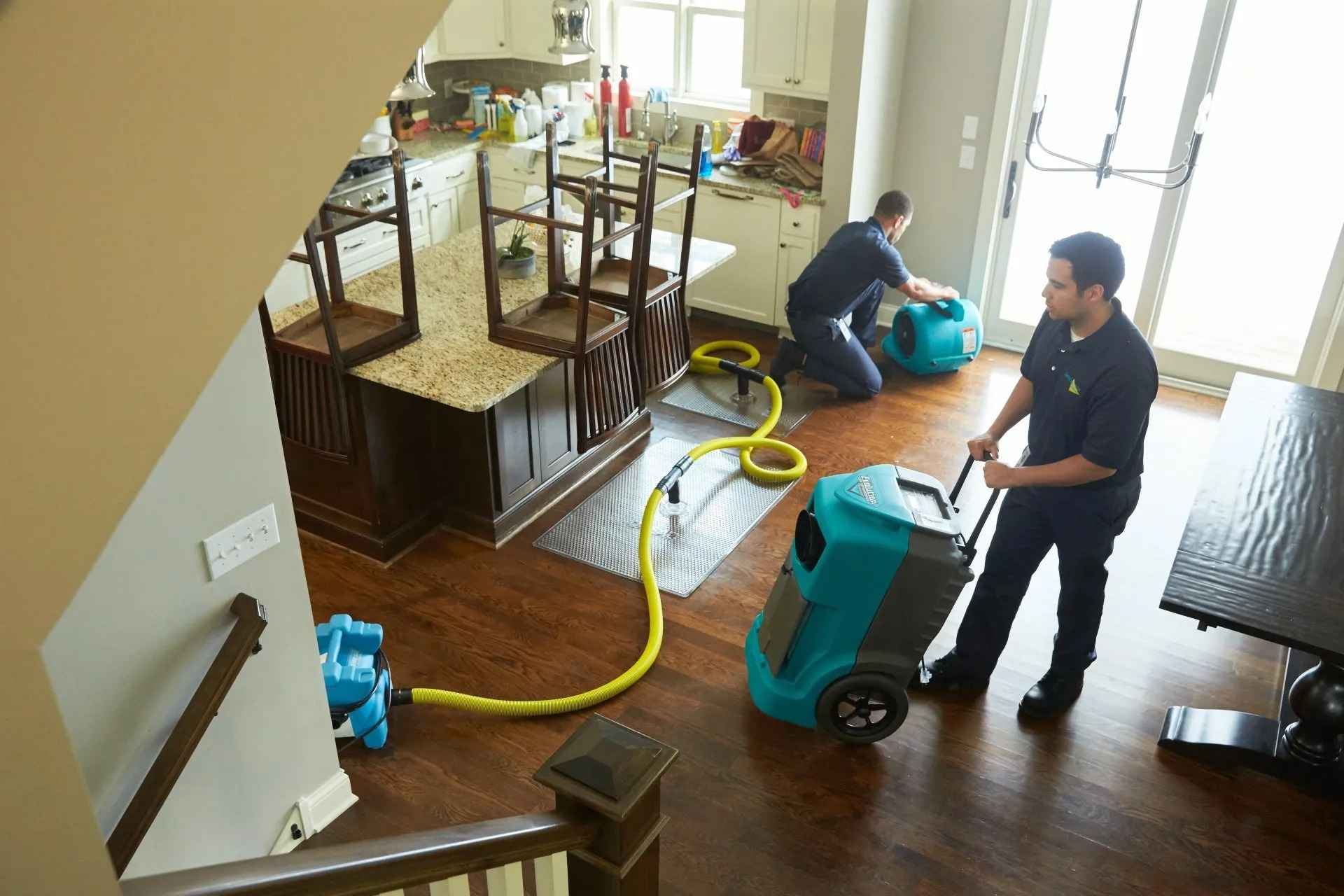
Complying with the preliminary assessment, reliable water extraction strategies are used to minimize damage and avoid additional concerns. These strategies entail the usage of customized tools such as industrial-grade vacuums and completely submersible pumps. The option of approach depends on the quantity of water existing and the kind of materials influenced. For standing water, submersible pumps are normally made use of for rapid elimination, while vacuums are ideal for removing water from carpetings and upholstery. Furthermore, progressed techniques like water extraction mats may be employed for hard-to-reach areas. The goal is to eliminate as much water as possible, reducing the possibility for mold and mildew growth and structural damage. Trigger and efficient water extraction is vital in the overall water damage restoration process.
Drying and Dehumidification Process
When the water removal is complete, the drying out and dehumidification procedure becomes essential to bring back the affected area. This stage generally utilizes industrial-grade dehumidifiers and air moving companies to properly decrease dampness degrees. The dehumidifiers attract wet air, eliminating excess moisture, while air movers circulate air to accelerate evaporation. Tracking equipment is commonly made use of to track moisture and temperature level degrees, ensuring optimal drying out conditions. The duration of this procedure can differ relying on the degree of the water damage and environmental aspects. It is crucial to thoroughly dry all impacted materials, including walls, flooring, and home furnishings, to protect against mold development and structural damage. Correct execution of this action is important for an effective reconstruction end result.
Cleaning Up and Sterilizing Damaged Locations
Initial Evaluation and Examination
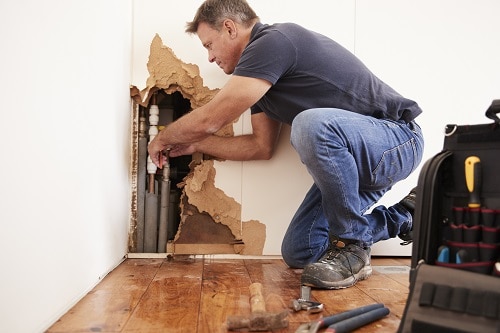
Prior to starting any kind of remediation initiatives, a complete initial analysis and evaluation of the affected locations are essential for reliable cleaning and sanitizing. This process involves determining the degree of water damage, identifying the source of the water breach, and examining the materials influenced. Examiners generally try to find indicators of mold growth, architectural integrity problems, and damaged belongings. The evaluation likewise includes checking wetness degrees using customized devices to assure no concealed water pockets stay, as these can bring about more problems. Recording the searchings for is crucial for planning the following steps in the reconstruction procedure. A detailed preliminary analysis enables restoration experts to create a targeted strategy for reliable cleansing and disinfecting, inevitably minimizing damage and health risks.
Cleaning Techniques and Products
Effective cleaning and sanitizing of water-damaged areas call for a range of items and strategies customized to the particular products influenced. For permeable surface areas like drywall and carpeting, extraction methods are important to remove excess moisture, complied with by deep cleansing with specialized cleaning agents. Non-porous products such as tile or steel can be cleansed utilizing commercial-grade cleaners that effectively get rid of impurities. Heavy steam cleansing is one more reliable strategy, specifically for rugs and upholstery, as it makes use of high temperature levels to eliminate microorganisms and mold and mildew. In addition, green items are progressively prominent for their safety and effectiveness. Inevitably, selecting the appropriate cleansing techniques and items not only ensures immediate tidiness however likewise help in protecting against further damage and health and wellness risks connected with water intrusion.
Sanitization and Disinfection Approaches
When attending to water damage, proper sanitization and disinfection methods are crucial to ensure the safety and security and health and wellness of the afflicted setting. After first cleansing, surfaces need to be treated with suitable disinfectants to eliminate microorganisms, mold and mildew, and germs that flourish in wet conditions. Typical approaches include using EPA-approved chemical disinfectants, which can be applied with spraying or wiping methods. In addition, ultraviolet (UV) light systems can successfully disinfect areas by reducing the effects of microbes without severe chemicals. The option of approach often depends upon the sort of products affected and the extent of contamination. Eventually, thorough sanitization not only brings back a risk-free living room yet likewise aids avoid future health risks related to remaining wetness and mold and mildew growth.

Fixings and Restoration Options
Elements Affecting Restoration Costs
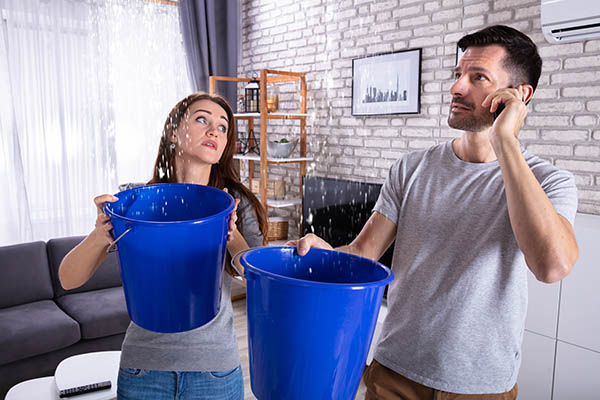
The extent of water damage directly influences the reconstruction sets you back house owners can expect to sustain. Aspects such as the source of the water, the period of exposure, and the affected products significantly affect rates. For example, clean water damage from a damaged pipe is generally less pricey to bring back compared to damage created by sewage. Additionally, the degree of contamination dictates the need for specialized cleansing and disposal solutions, further boosting expenditures. find this Geographical place also plays a duty, as regional labor prices and availability of repair services can vary. Lastly, the seriousness of the response affects costs; quicker interventions normally cause decrease total costs by protecting against more damage. Comprehending these variables is important for house owners when estimating remediation costs
The 3 main types of water damage are categorized based on contamination degrees: tidy water, gray water, and black water. An extensive initial assessment and examination are crucial steps in the water damage restoration procedure. For standing water, submersible pumps are generally utilized for fast removal, while vacuum cleaners are optimal for extracting water from carpetings and furniture. The level of water damage straight influences the remediation sets you back house owners can anticipate to incur. Tidy water damage from a broken pipeline is typically much less expensive to recover compared to damage created by sewage.